The skill that set me apart
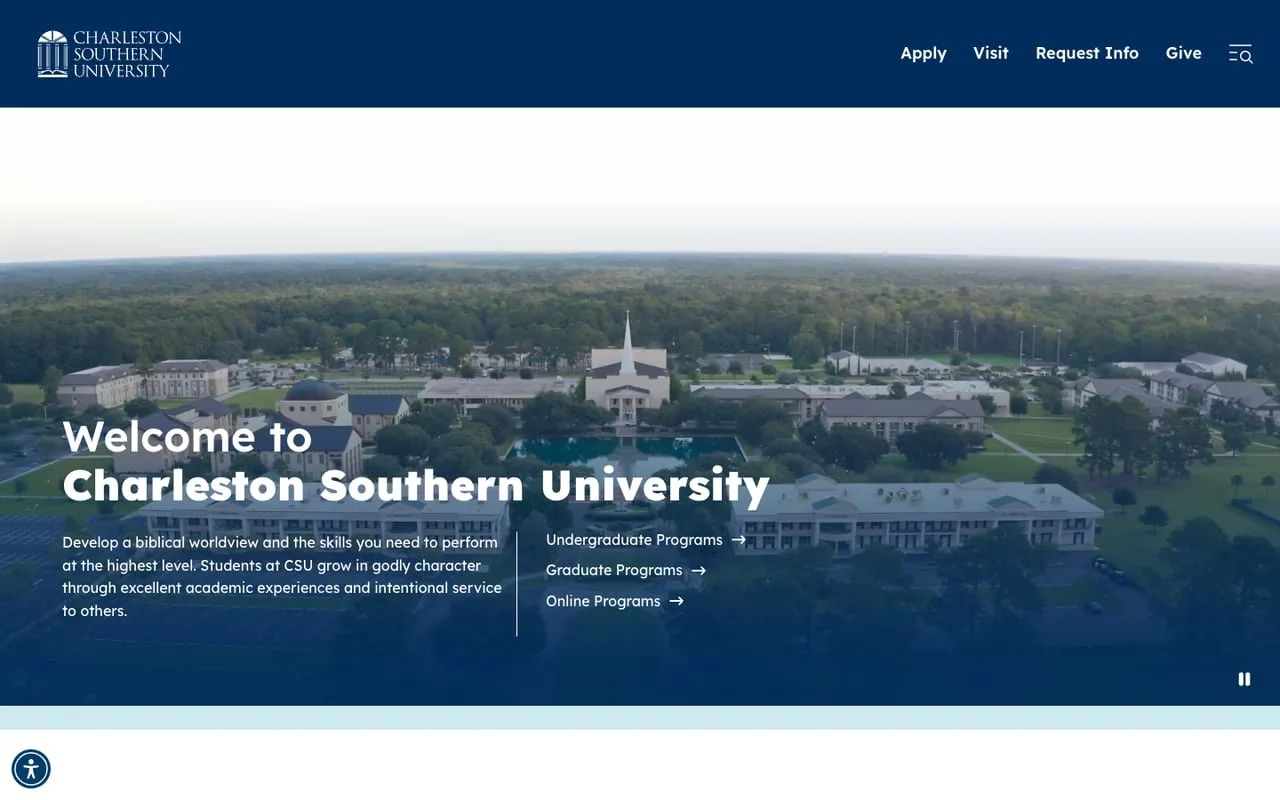
I came out of college with something most new grads didn’t have: real SEO experience from my internship at Fresh Water Systems. I wasn’t a seasoned pro yet, but I had something different to bring to the table, and I’m convinced it’s a big part of why Charleston Southern, my alma mater, hired me as Web Content Strategist.
Going back to my own school was a great first job. I already knew many of the faculty, and the team was set up so I got plenty of face time with them.
Building an SEO reputation
Part of the job was general web work: updating content, adding photos, and keeping faculty profiles current. Beyond that, I got to put my SEO knowledge to the test on a real university site, make recommendations, and build a reputation as the SEO person.
- Technical SEO: added WordPress plugins to improve site speed and rendering.
- On-page optimization: title tags, meta descriptions, and headings across the site, with a focus on degree program pages.
- Faculty education: I sat down with faculty to explain how SEO works and show them the search demand around their programs, the careers they lead to, and the questions prospective students were asking.
- A tuition calculator that’s still live on the university’s site. Students pick from 40+ online and graduate programs, enter credit hours, transfer credits, and any military or first-responder status, and get an estimate of tuition, fees, and books. It also lets them email the estimate to themselves, which gives enrollment counselors a lead to follow up with.
Moving the university toward content
The bigger goal was to push the whole university in one direction: optimized program pages for people ready to choose a degree, and a blog to capture people earlier in their search. I worked with our third-party development team to build a blog section for the site, and it was finished and launched before I left.
In under a year, the content work showed up in the numbers (per Ahrefs). Organic traffic value grew 7.2x, from $18K to $131K a month. Keywords in the top 10 grew 126%, from 1,698 to 3,836. Organic traffic climbed 114% from its low point in September 2021 to its peak in March 2022. The full breakdown is in the case study.
In May 2022, I moved back home to Greenville to be closer to family, right as the blog launched.
The blog after I left
I didn’t run the blog, and its growth isn’t my result: other people executed it after I left. But it exists because I pushed for it, and it followed the direction I set. By mid-2025 it had grown from 57 visits a month to about 5,350, with 876 keywords in the top 10, per Ahrefs. The case study has the full numbers.
I took the same thinking to Furman, where I launched a blog from scratch and ran it myself. One year in, it had about 60 times the traffic of Charleston Southern’s at the same age.